.png "Beauty Boutique")



The Clinical Guide to Fading Hyperpigmentation
01-05-2025 | Beauty Boutique
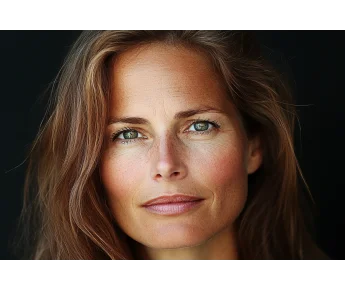
Hyperpigmentation is not just a cosmetic flaw but a biological reaction of the skin to external and internal factors such as ultraviolet radiation, hormonal fluctuations, inflammatory processes, and age-related changes, with each of these triggers leaving its own “imprint” in the form of dark spots that may appear on the face, neck, or hands, essentially becoming a “skin diary” that records time spent under the sun, periods of stress, and the aftereffects of acne (Skin Therapy Letter, Vogue, ResearchGate).
Main Causes of Dark Spots
The most common triggers include UV exposure, which activates melanocytes and increases melanin synthesis, leading to new pigmentation areas; hormonal changes, associated with pregnancy, oral contraceptives, or stress, which often provoke melasma; inflammatory processes such as post-inflammatory hyperpigmentation (PIH), which leave persistent marks even after acne heals; and age-related slowing of skin cell renewal, which allows pigment to remain longer in the skin and makes dark spots more visible (Journal of Cosmetic Dermatology, ScienceDirect).
Clinical studies indicate that up to 92% of hyperpigmentation cases respond significantly to the right skincare regimen combined with consistent sun protection, and for sensitive or reactive skin, it is particularly important to use gentle yet effective formulas, since overly aggressive treatments can worsen pigmentation or cause new marks to form (PMC).
Clinically Proven Ingredients for Even Skin Tone
Recommended AM & PM Routine with Canova
Morning: gentle cleansing, antioxidant serum, then DEPI 50+ Brightening Cream SPF 50 — a day cream combining high-level sun protection with corrective brightening action, ideal for sensitive skin.
Evening: gentle exfoliant (glycolic + kojic acids), restorative treatment, and targeted brightening concentrate — RESURFACE X3 DEPISERUM, containing 0.5% phenylethyl resorcinol, niacinamide, vitamin E, and antioxidants, offering precise correction for dark spots in a lightweight, fragrance-free formula. Finish with 8+2 Lightening Cream, a night treatment with glycolic and kojic acids to fade pigmentation and protect skin with antioxidants (Allure, canova.it).
Conclusion
Hyperpigmentation is not a flaw but a mark left by life events, and modern dermatology offers real correction, not just coverage, with scientifically proven formulas that act deep within the skin while remaining gentle. Consistency, the right combination of actives, and uncompromising sun protection form the foundation for lasting results, allowing the skin to look even, fresh, and healthy.
Seasonal
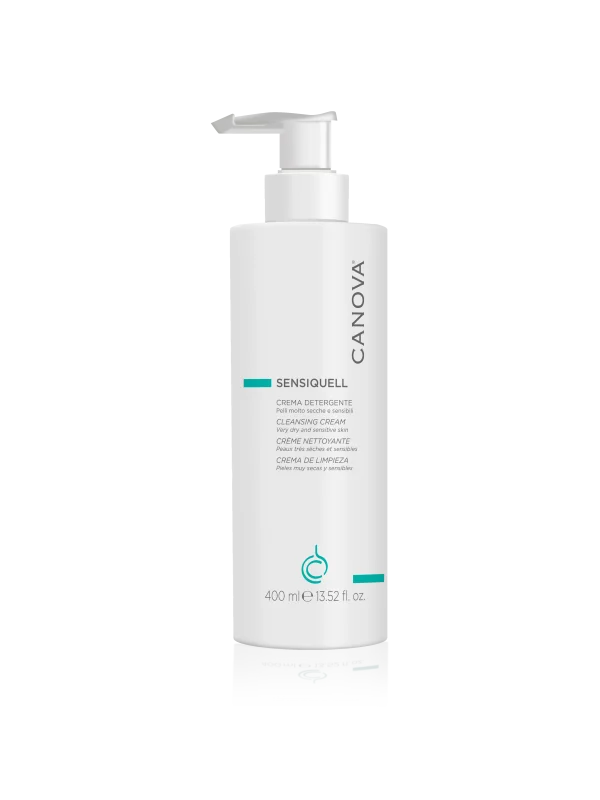
SENSIQUELL Cleansing Cream
400ml|Gentle Cleanser for Sensitive and Dry Skin SENSIQUELL C..
€25.90
Ex Tax: €20.89
Available:9
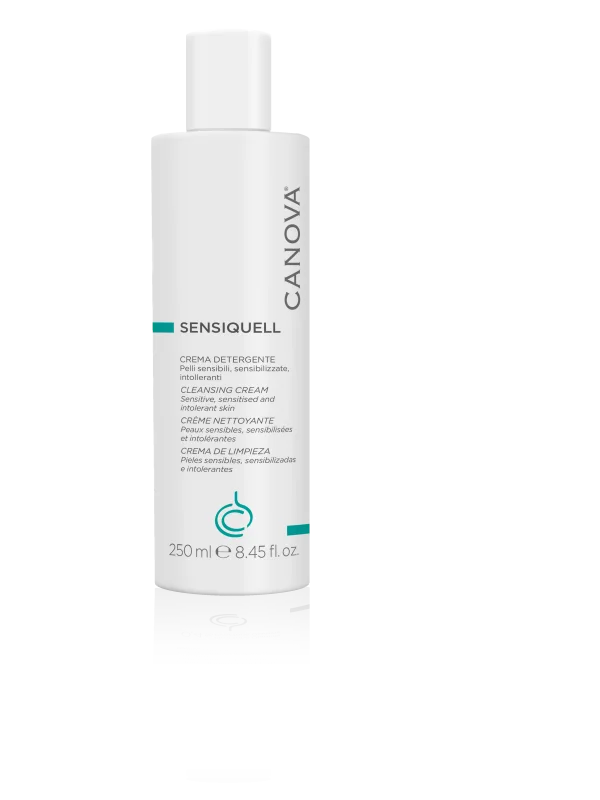
SENSIQUELL Cleansing Cream
250ml|Gentle Cleanser for Sensitive and Dry Skin SENSIQUELL C..
€19.90
Ex Tax: €16.05
Available:11
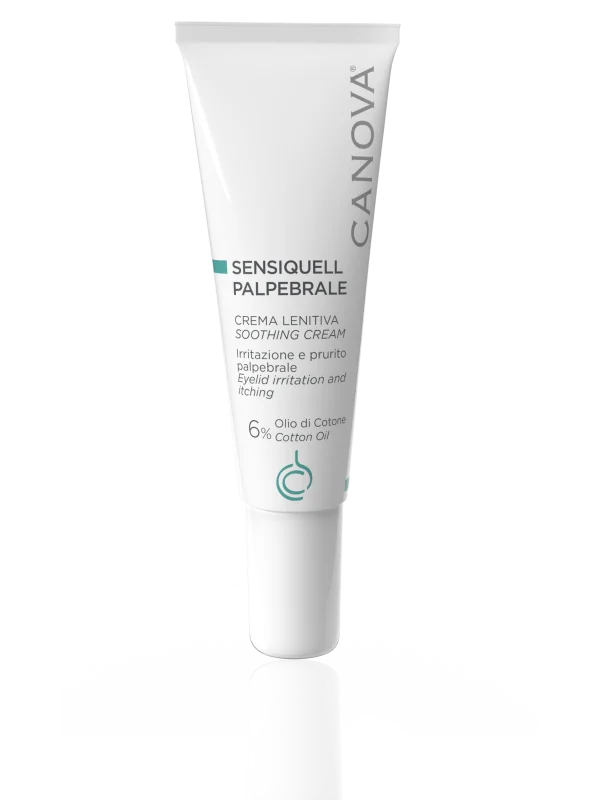
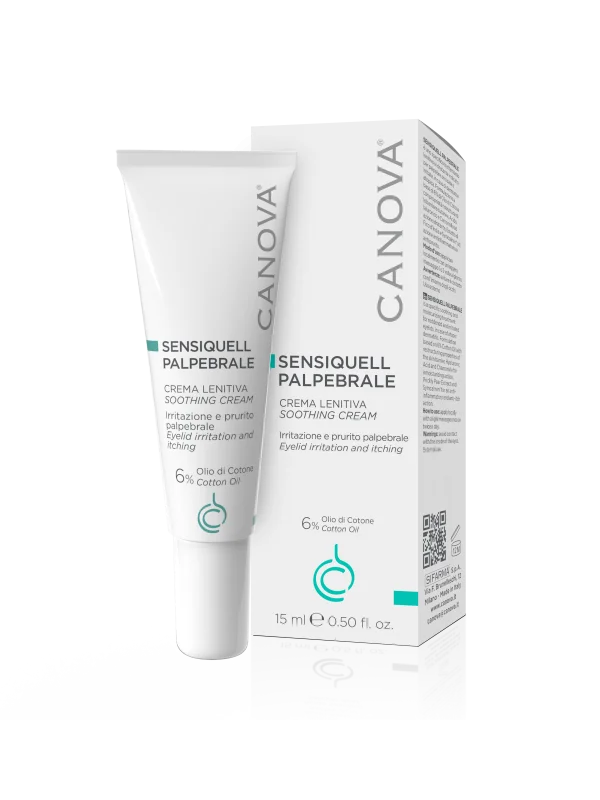

SENSIQUELL PALPEBRALE
Soothing Eye Cream for Itchy, Irritated, Red or Atopic Eyelids ..
€23.90
Ex Tax: €19.27
Available:3