.png "Beauty Boutique")



Skin redness
17-02-2025 | Beauty Boutique
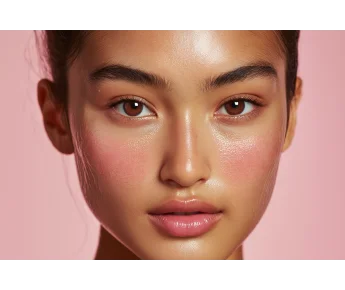
How to Calm Rosacea and Restore Skin Harmony
Rosacea is not simply a matter of temporary redness, but a chronic inflammatory skin condition that, according to a 2024 global study, affects approximately 5.1% of people over the age of sixteen worldwide, with surprisingly high prevalence in the 25–39 age group, and whose triggers include a combination of genetic predisposition, immune system hyperactivity, and vascular hypersensitivity, often worsened by environmental factors such as intense sunlight, sudden temperature changes, emotional stress, and consumption of alcohol or spicy foods (Allure, Vikipeedia).
For many people, rosacea becomes more than a skin concern — it can affect self-esteem, social interactions, and emotional well-being, with the National Rosacea Society estimating that more than 16 million Americans suffer from the condition, which highlights the importance of early recognition, careful management, and raising public awareness (ScienceDirect, arxiv.org).
Causes and the Gut–Skin Connection
While the exact causes of rosacea remain not fully understood, current scientific evidence suggests that the condition develops from a complex interplay between chronic skin inflammation, vascular reactivity, and the overpopulation of microscopic Demodex mites that inhabit the skin and stimulate inflammatory pathways (MDPI, PMC). In addition, recent studies emphasise the importance of the gut–skin axis, showing that people with rosacea often exhibit changes in their gut microbiome, and that targeted probiotic supplementation, combined with traditional topical or oral treatments, may help improve symptoms and reduce flare-ups (ScienceDirect, journals.lww.com).
A Gentle, Modern Skincare Approach
Dermatologists agree that for rosacea-prone skin, the foundation of care is ultra-gentle skincare aimed at maintaining and restoring the skin’s protective barrier, which means using fragrance-free and soothing products, avoiding aggressive exfoliants, and applying daily high SPF protection (New York Post). Depending on the subtype and severity, dermatologists may recommend ingredients such as azelaic acid, niacinamide, or topical brimonidine and ivermectin, while vascular symptoms can be effectively addressed with laser or light-based therapies (Vikipeedia).
Canova’s Targeted Solutions for Redness-Prone Skin
SENSIVEN P22 Anti-Redness Soothing Cream — a daily maintenance cream formulated with a 2.5% botanical soothing complex (escin, horse chestnut, centella asiatica, allantoin, jojoba) to calm redness and strengthen fragile capillaries.
SENSIVEN ZELAIC Intensive Anti-Redness Cream — an intensive care formula for flare-ups, with 1% rutin to support microcirculation, azelaic acid to reduce inflammation and pigmentation, and calendula extract for additional calming benefits.
SENSIVEN 50+ Soothing Cream SPF 50 — broad-spectrum protection against UVA/UVB and blue light (Blue Light Ban Complex 16%), enriched with diosmin and rutin to reinforce capillary walls and protect against environmental irritation.
Practical Routine Recommendations
Alongside topical care, lifestyle adjustments — such as avoiding known triggers, managing stress, and choosing clothing and skincare that are gentle on the skin — are crucial for maintaining skin harmony and reducing flare frequency.
Seasonal
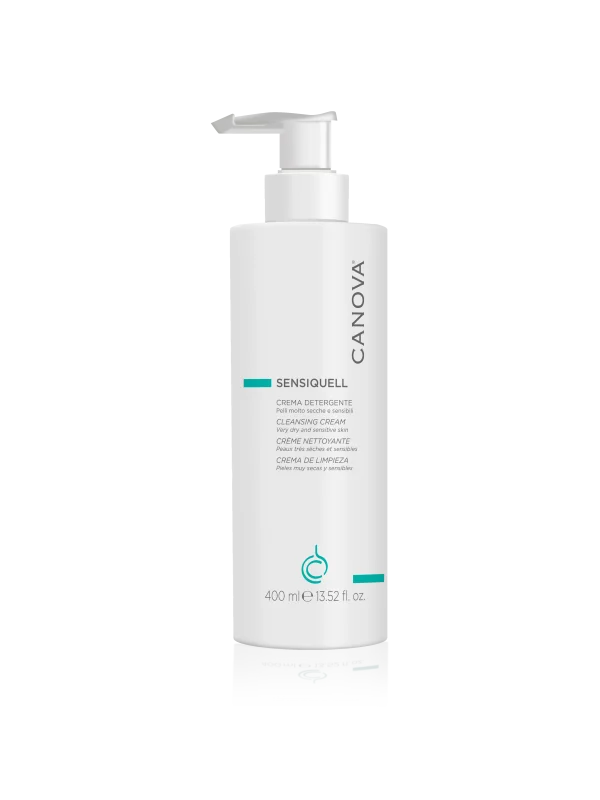
SENSIQUELL Cleansing Cream
400ml|Gentle Cleanser for Sensitive and Dry Skin SENSIQUELL C..
€25.90
Ex Tax: €20.89
Available:9
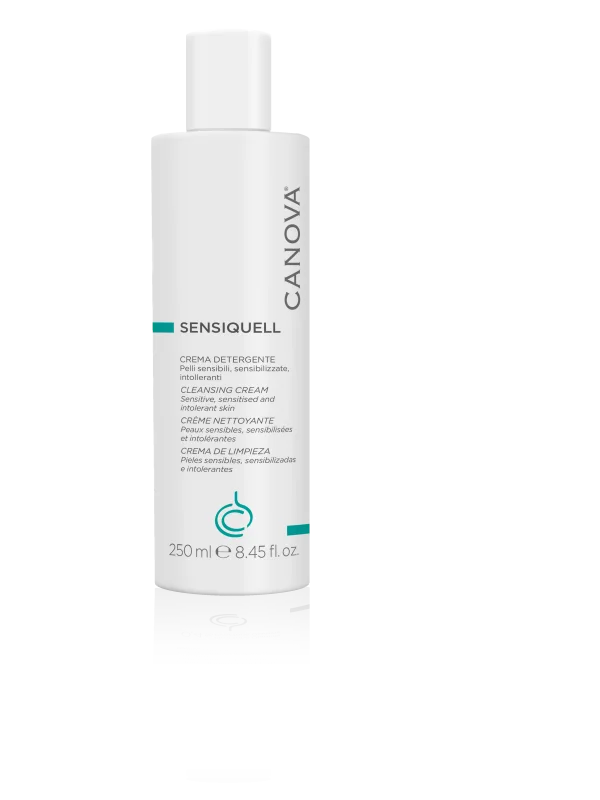
SENSIQUELL Cleansing Cream
250ml|Gentle Cleanser for Sensitive and Dry Skin SENSIQUELL C..
€19.90
Ex Tax: €16.05
Available:11
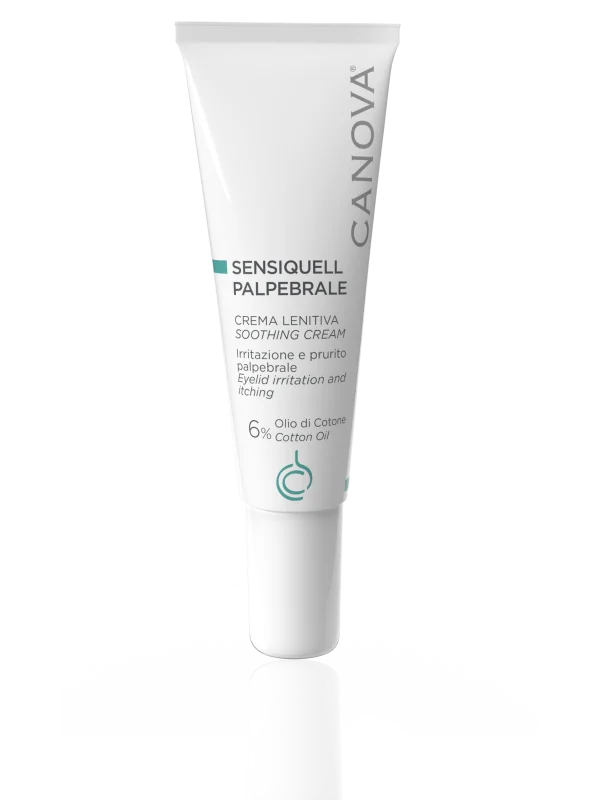
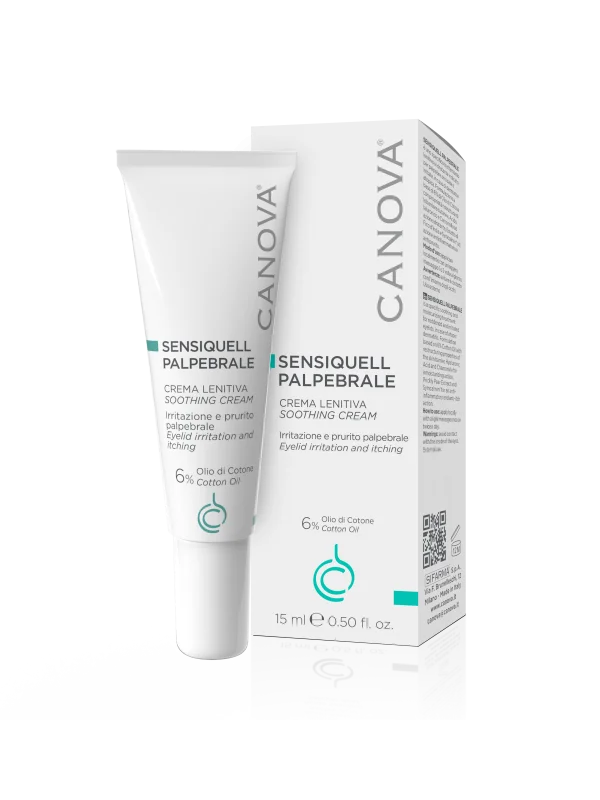

SENSIQUELL PALPEBRALE
Soothing Eye Cream for Itchy, Irritated, Red or Atopic Eyelids ..
€23.90
Ex Tax: €19.27
Available:3