.png "Beauty Boutique")



Skin Irritation
30-04-2025 | Beauty Boutique
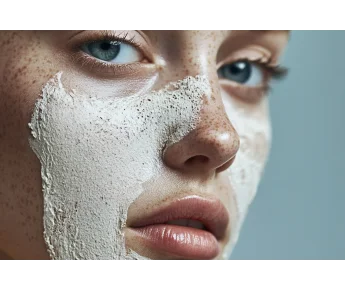
Why the Skin Reacts with Irritation
Skin irritation is not just a cosmetic issue but a clear signal from the body that its protective barrier has been weakened and requires restoration, and according to experts from the American Academy of Dermatology (American Academy of Dermatology), almost every person experiences inflammation, itching, or redness at least once in their lifetime, triggered by external or internal factors, with one of the main causes being damage to the lipid layer caused by frequent contact with harsh cleansers, low humidity, and mechanical friction, which, as confirmed by the Journal of Dermatological Science (Journal of Dermatological Science), make the skin more vulnerable to irritants, along with excessive dryness or xerosis, which impair the skin’s ability to retain moisture, leading to tightness, flaking, and microcracks.
The Role of Allergic Reactions and Chronic Skin Conditions
In addition to external factors, allergic reactions to pollen, certain cosmetic ingredients, and synthetic fabrics play a significant role in triggering redness and inflammation, while chronic dermatological conditions such as atopic dermatitis, eczema, and psoriasis are associated with increased sensitivity, a tendency to recurring irritation, and the need for exceptionally gentle care to minimize flare-ups and speed up skin recovery.
Proper Care for Irritated Skin
Dermatologists from Harvard Medical School (Harvard Medical School) recommend following the principle of minimalism, which means avoiding excessive product use and focusing on three key steps — gentle cleansing, deep hydration, and barrier repair. For cleansing, it is important to avoid aggressive foaming agents and choose formulas that remove impurities without stripping the skin’s natural oils, such as SensiQuell Cleansing Cream with shea butter, sweet almond oil, and prickly pear extract, which cleanses while nourishing the skin, leaving it soft, calm, and comfortable.
Restoring and Nourishing the Skin
For xerosis and flaking, products rich in lipids and humectants that lock in moisture are especially beneficial, such as SensiQuell Xero Nourishing Cream with 3% urea, shea butter, and hyaluronic acid, which relieves dryness, reduces itching, and restores elasticity, while being safe for newborns and suitable for daily use by the whole family.
Soothing Baths and Additional Care
For a more comprehensive approach and to reduce irritation, a warm bath with a lipid-rich cleanser can help maintain the skin’s moisture balance, such as SensiQuell Bath Oil with 25% sweet almond oil and extracts of chamomile and calendula, which gently cleanse, hydrate, and soothe the skin while restoring its protective functions and preventing dehydration.
Dermatologist-Approved Tips for Irritation Prevention
To prevent increased skin sensitivity, experts from the American Academy of Dermatology (AAD – Skin Care Guidelines) advise avoiding long hot showers, using a humidifier during heating season, wearing breathable cotton fabrics, and applying moisturizer within three minutes after bathing to lock in hydration and enhance the skin’s protective properties.
Conclusion: Irritation Can Be Managed
Skin irritation is a reversible condition that can be significantly reduced with proper care, and by consistently using gentle cleansers, nourishing and hydrating creams, and barrier-restoring products such as the SensiQuell range, you can achieve lasting comfort, reduce skin sensitivity, and maintain healthy balance every day.
Seasonal
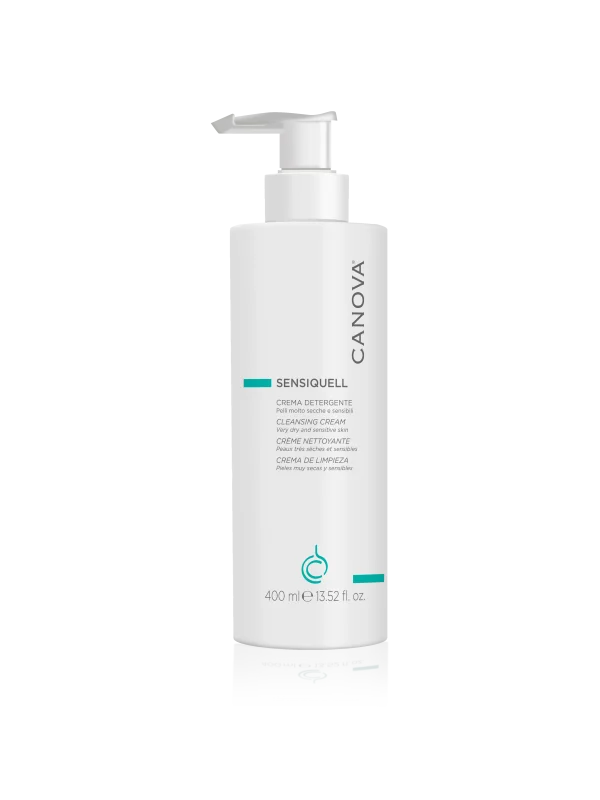
SENSIQUELL Cleansing Cream
400ml|Gentle Cleanser for Sensitive and Dry Skin SENSIQUELL C..
€25.90
Ex Tax: €20.89
Available:9
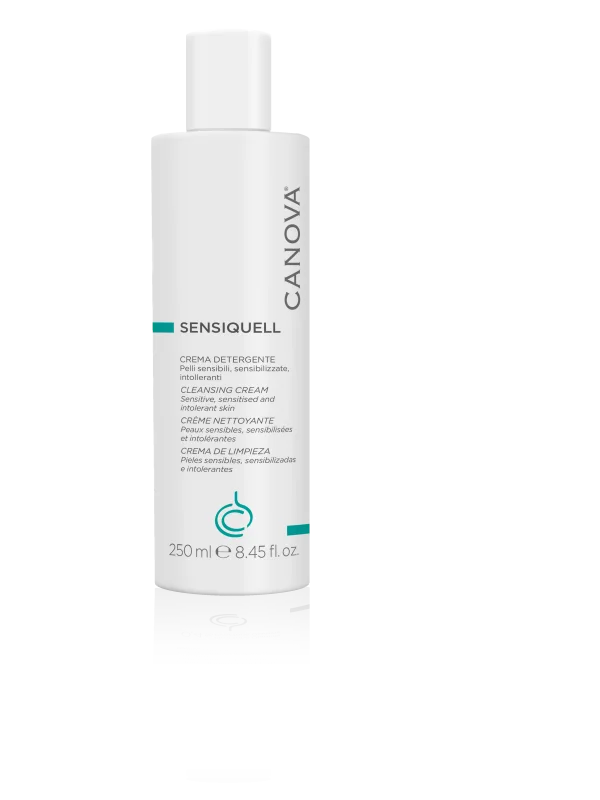
SENSIQUELL Cleansing Cream
250ml|Gentle Cleanser for Sensitive and Dry Skin SENSIQUELL C..
€19.90
Ex Tax: €16.05
Available:11
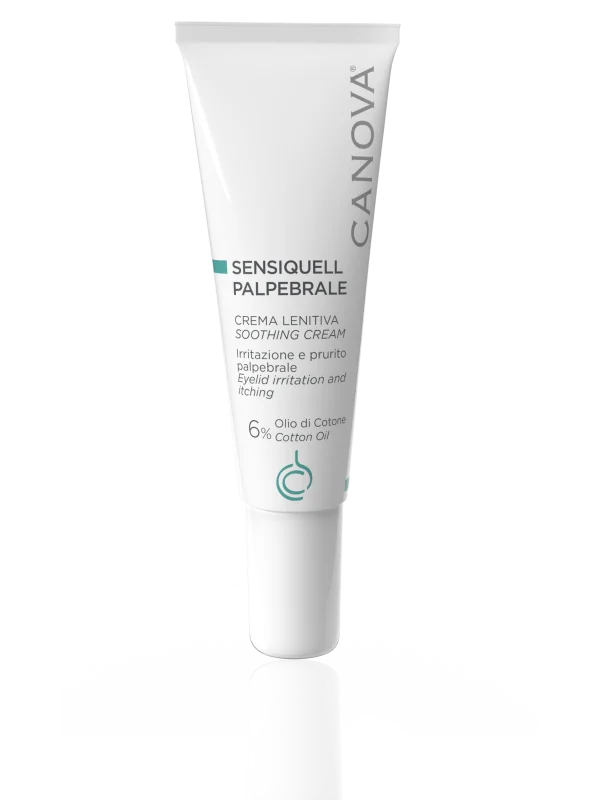
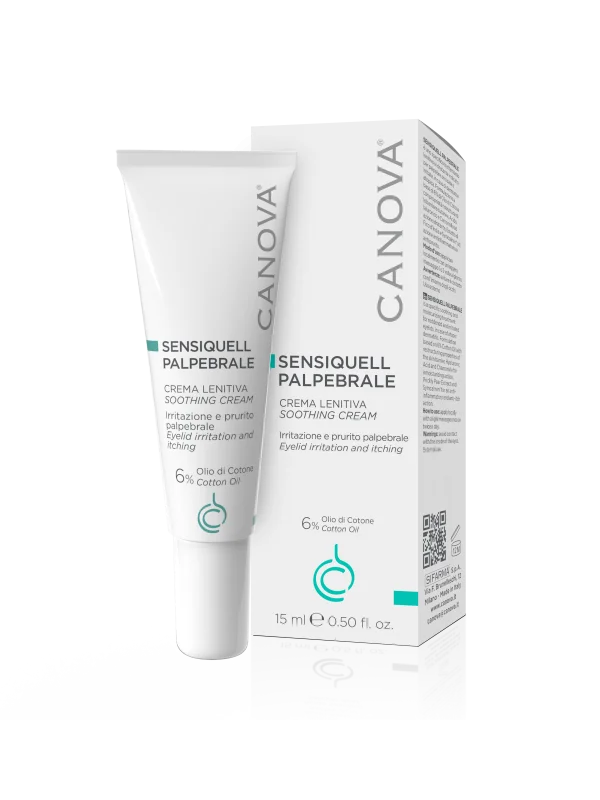

SENSIQUELL PALPEBRALE
Soothing Eye Cream for Itchy, Irritated, Red or Atopic Eyelids ..
€23.90
Ex Tax: €19.27
Available:3