.png "Beauty Boutique")



How to Get Rid of Dandruff
02-05-2025 | Beauty Boutique
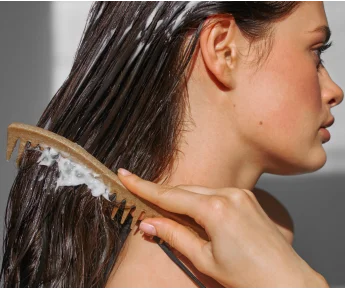
How to Get Rid of Dandruff: A Clinical Approach to a Healthy Scalp
Dandruff is not just a cosmetic inconvenience — it is a clear signal from your skin that the scalp’s protective barrier is compromised and its microbiome is out of balance, and as Harvard Health and WebMD report, more than half of adults experience dandruff at some point in their lives, yet most over-the-counter shampoos merely mask the symptoms without eliminating the underlying causes, which inevitably leads to relapses and worsening of the condition.
Main Causes of Dandruff
Seborrheic Dermatitis — a chronic inflammatory condition affecting areas with high sebaceous gland activity, including the scalp, face, and chest, characterized by greasy yellowish flakes, itching, and redness (Harvard Health, The Times of India, Vikipeedia).
Dry Scalp — caused by a lack of moisture, it presents as small white flakes, tightness, and increased skin sensitivity (Harvard Health, Healthline).
Malassezia Yeast — a naturally occurring microorganism on the scalp that, when overgrown, disrupts the skin’s renewal cycle and triggers scaling (Vikipeedia, Avensonline).
Stress and Hormonal Changes — alter sebum production and weaken scalp health (Harvard Health).
Harsh Hair Products — shampoos with sulfates or alcohol can strip the scalp of its natural lipids, leading to dryness, irritation, and excessive flaking (Healthline).
Why It’s Important to Identify the Type of Problem
The difference between dry scalp and dandruff is critical: in the first case, the cause is dehydration, while in the second, it’s excess oil production and fungal imbalance, and as ResearchOutreach notes, using the wrong product can make the problem worse by intensifying irritation and flaking.
Why Regular Shampoos Don’t Work
Most shampoos only clean the surface, without addressing fungal overgrowth or inflammation, and dermatologists emphasize that only shampoos with clinically active antifungal and anti-inflammatory ingredients can provide lasting relief (Harvard Health).
Clinical Solution from Canova — Rivescal Line
Rivescal Delicato — a gentle daily shampoo for sensitive scalps, formulated with plant-based surfactants, niacinamide, hydrolyzed keratin, and wheat proteins, it cleanses, strengthens hair, and restores the protective barrier.
Rivescal PSO — developed for scalp psoriasis and seborrheic dermatitis, contains Pro D Complex® 1% to reduce redness, scaling, and discomfort.
Rivescal DS — for persistent oily dandruff, formulated with 0.8% piroctone olamine, niacinamide, allantoin, and glycerophosphoinositol to combat Malassezia, reduce inflammation, and normalize sebum production.
Expected Results
With regular use, Canova’s clinical formulas help reduce itching and visible flakes, balance oil production, improve overall scalp and hair condition, and thanks to the absence of parabens and SLES, they are safe even for sensitive skin (Mayo Clinic).
Dandruff is a signal of internal imbalance in the skin, and as clinical practice shows, only professional care that targets the cause — not just the symptoms — can restore scalp health and lasting comfort.
Seasonal
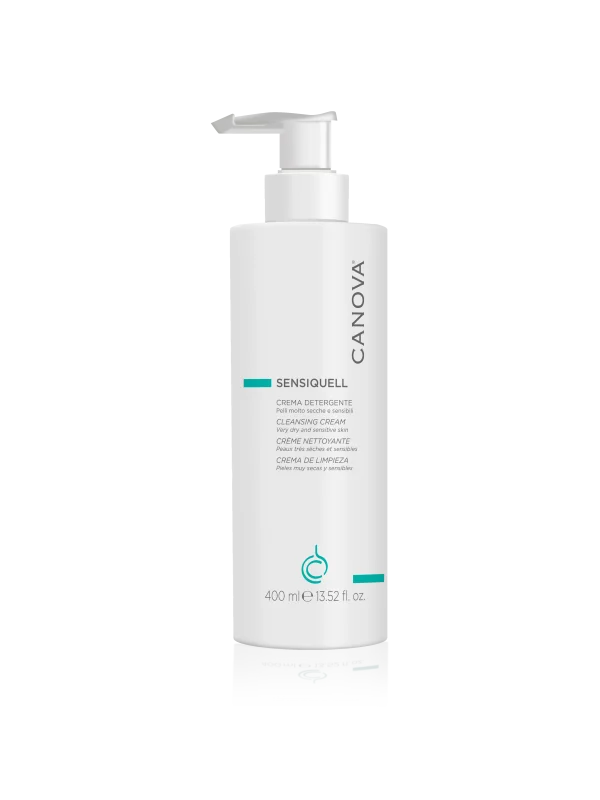
SENSIQUELL Cleansing Cream
400ml|Gentle Cleanser for Sensitive and Dry Skin SENSIQUELL C..
€25.90
Ex Tax: €20.89
Available:9
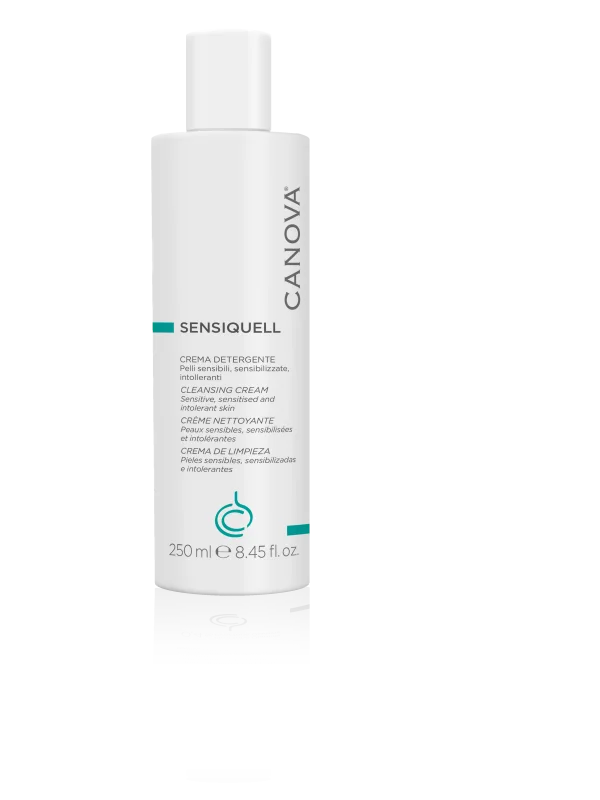
SENSIQUELL Cleansing Cream
250ml|Gentle Cleanser for Sensitive and Dry Skin SENSIQUELL C..
€19.90
Ex Tax: €16.05
Available:11
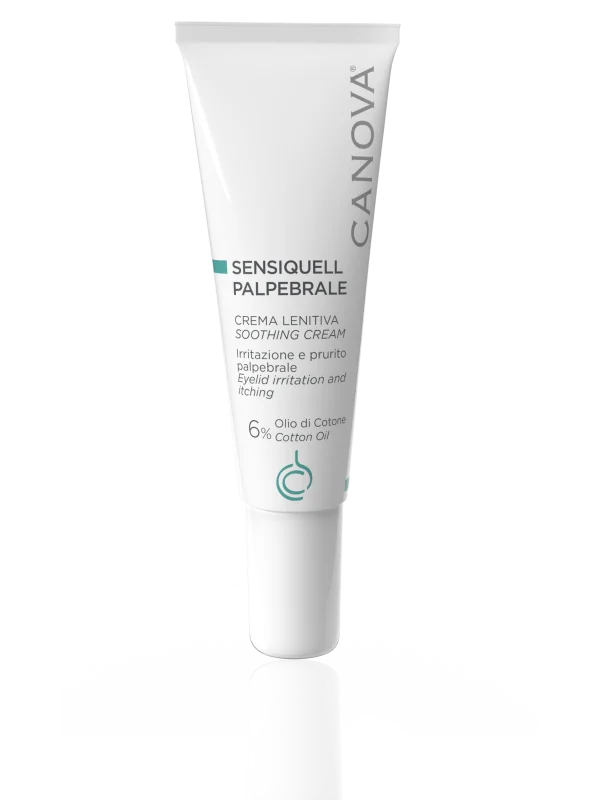
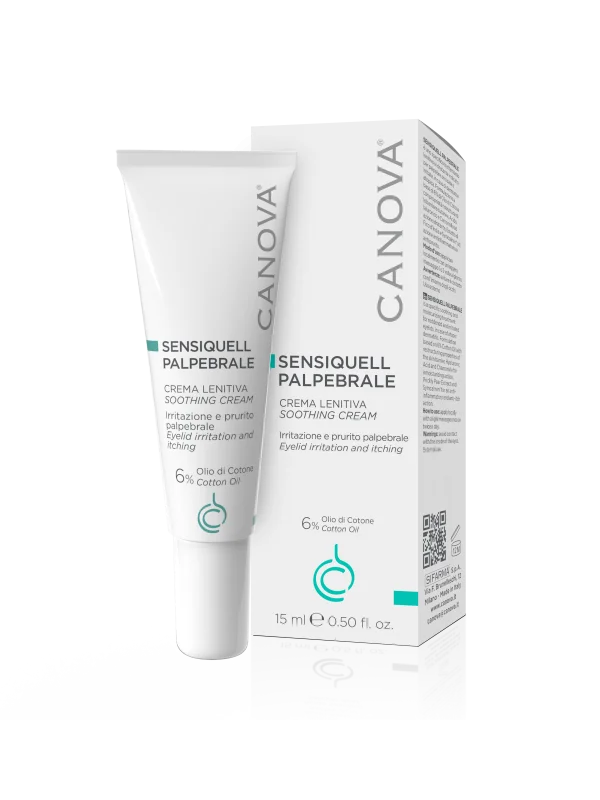

SENSIQUELL PALPEBRALE
Soothing Eye Cream for Itchy, Irritated, Red or Atopic Eyelids ..
€23.90
Ex Tax: €19.27
Available:3